How to Start Trading as a Beginner in 2026 with Step-by-Step Guidance
· based on the channel Sierra Aaliyah
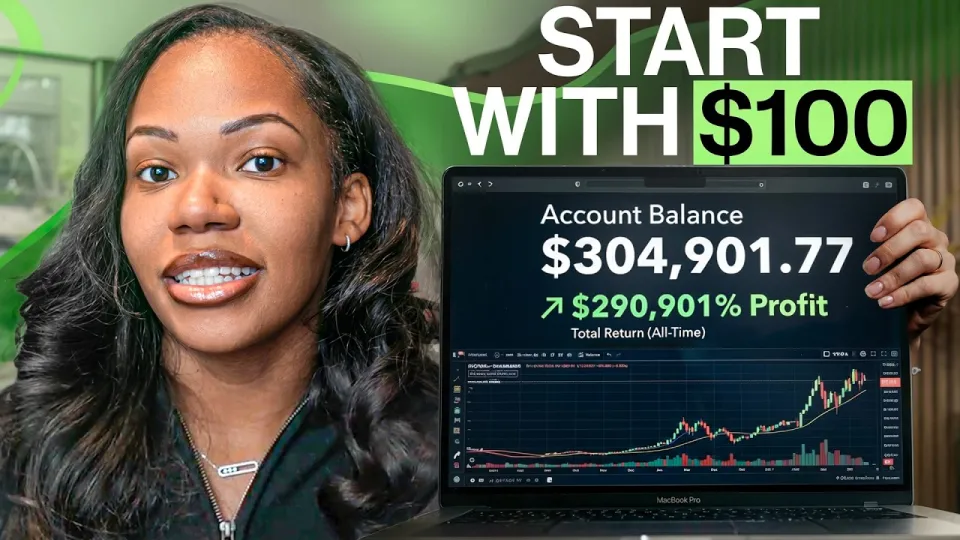
Video: How To Start Trading As A Beginner In 2026 (Step-by-Step)
Trading is the process of buying and selling financial instruments like stocks, options, or futures to profit from price movements. For beginners in 2026, starting trading requires understanding fundamental concepts without overwhelming jargon. You don’t need a large sum to begin; a starting capital between $300 and $2,000 is sufficient to build skills and confidence. For those eager to learn with community support, joining a trading discord such as Crystal Academy trading community can provide mentorship and guidance.
What Trading Actually Is and What It Is Not
Trading is not a get-rich-quick scheme but a skill that involves risk management and patience. It differs from long-term investing by focusing on shorter time frames and capitalizing on market volatility. Trading involves strategies like day trading, swing trading, or options trading, each fitting different schedules and risk appetites. It’s crucial to approach trading as a business, not gambling.
Understanding Calls and Puts Plus Options vs Futures
Options trading involves contracts that give the right to buy (calls) or sell (puts) an asset at a predetermined price before expiration. Calls profit if the price rises; puts profit if the price falls. Futures are agreements to buy or sell an asset at a future date and price, often requiring more capital and having different risk profiles.
Options are generally more flexible and suitable for beginners with limited capital, while futures require understanding margin and leverage deeply. Choosing between them depends on your available time, risk tolerance, and learning goals.
Essential Tools: Brokers and Charting Platforms
The broker recommended for beginners is Webull, which offers commission-free trading and a user-friendly interface. It also provides free stocks upon signup via Sierra Aaliyah’s referral link.
For charting and technical analysis, TradingView is the preferred platform. It allows beginners to read candlestick patterns, identify market structures, and track price action efficiently. Learning to use these tools is fundamental to executing trades confidently.
Three Core Concepts to Master Before Trading
- Market Structure: Understand support and resistance levels, trend lines, and price action to identify trading opportunities.
- Candlestick Reading: Learn how candlestick patterns indicate market sentiment and potential reversals or continuations.
- Trading Psychology: Manage emotions, avoid impulsive decisions, and develop discipline to stick to your strategy.
Mastering these concepts first helps avoid common beginner mistakes and builds a solid foundation.
Common Challenges Beginners Face and How to Overcome Them
Many beginners quit within the first two months due to unrealistic expectations and emotional trading. Common issues include overtrading, chasing losses, and reacting to every market wiggle, especially on very short timeframes like 1-minute charts.
To succeed, beginners should start with paper trading to simulate real trades without financial risk. If you can't double your virtual money consistently, it's wise to refine your strategy before investing real funds. Patience and gradual progression are key.
Frequently Asked Questions and Common Concerns
Many traders struggle with consistent profitability and question if trading is achievable for most people. The reality is that trading requires continuous learning, adaptability, and resilience. Having a mentor or community support significantly improves the learning curve.
Useful Links
- Join the Crystal Academy trading discord for mentorship and resources: https://whop.com/c/crystal-academy/youtube
- Sign up for Webull with free stocks: https://www.webull.com/k/SierraUSA
- Follow Sierra Aaliyah on Instagram: https://www.instagram.com/sierra.aaliyah/
- Follow Sierra Aaliyah on TikTok: https://www.tiktok.com/@sierraxliyah
Conclusion
Starting trading as a beginner in 2026 is entirely possible with the right mindset, tools, and education. By focusing on foundational concepts such as market structure, candlestick reading, and trading psychology, and by practicing via paper trading, you build the skills needed for success. Sierra Aaliyah’s approach emphasizes patience, realistic goals, and community learning, making trading accessible to everyone regardless of background. To begin your journey, consider joining the Crystal Academy trading discord and using trusted platforms like Webull and TradingView for your trades and analysis.
Key takeaways
- Starting capital recommended between $300 and $2,000 for beginners
- Use paper trading first to practice without risk
- Understand calls vs puts and options vs futures
- Recommended platforms: Webull for brokerage and TradingView for charts
- Master market structure, candlestick reading, and trading psychology
Questions & answers
Do I need a large amount of money to start trading?
No, you do not need a large sum to start trading. It is recommended to begin with $300 to $2,000 to practice and learn without risking too much capital.
What is the difference between calls and puts in options trading?
Calls give the buyer the right to purchase an asset at a set price, profiting if the asset price rises. Puts give the right to sell at a set price, profiting if the price falls.
Is consistent profitability achievable for beginners?
Consistent profitability is achievable but requires time, education, discipline, and emotional control. Many beginners struggle initially but improve with practice and mentorship.
Why should I start with paper trading?
Paper trading lets you practice trading strategies without risking real money. It helps you understand market dynamics and test your skills before investing actual capital.
Source: How To Start Trading As A Beginner In 2026 (Step-by-Step) · Markdown version